


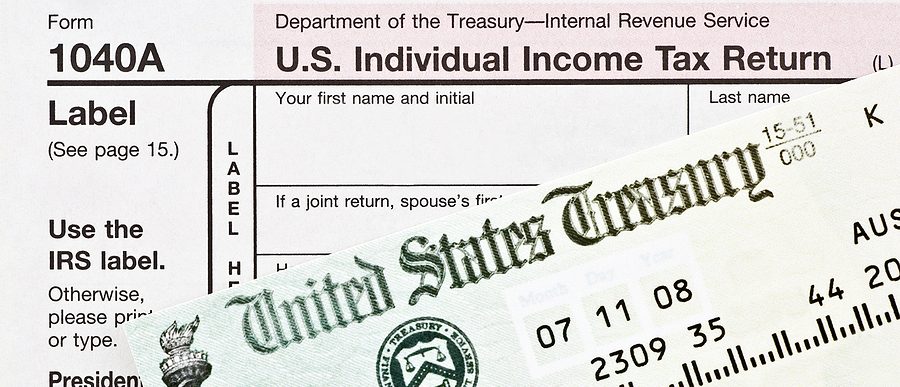
Tax documents contain the same details criminals look for in account takeovers and tax fraud, including full legal names, addresses, account numbers and Social Security numbers. It can be hard to know how much paperwork to keep. The goal is a defensible middle ground: keep what you may need to prove what you filed, then dispose of older paperwork once it no longer serves that purpose. Keep too little and you can’t substantiate a return later. Keep everything indefinitely and you increase the risk of identity theft and unnecessary exposure.
A strong tax document retention plan reduces both risks. It sets retention periods by document type, assigns destruction dates in advance, and routes expired files into secure destruction on a repeatable schedule.
Good document hygiene has two parts. Keep documents long enough to meet tax and legal requirements, then destroy them in a way that leaves no usable data behind. In this blog post, you will learn what to keep, how long to keep it, and how to dispose of it safely.
Why Tax Document Retention Matters
If you are searching for how long to keep tax records, start with the legal window, then move to operational risk. Federal tax retention rules are tied to statute-of-limitations logic. The common baseline is three years, with longer windows for specific conditions. The IRS also states that records must remain available long enough to prove income, deductions, and credits claimed on a return.
Disposal risk is separate from substantiation risk. A file that is past retention can still create liability if disposal is careless. The FTC Disposal Rule requires covered businesses and individuals to use appropriate measures when disposing of consumer report information held for a business purpose.
How Long to Keep Tax Documents Under Federal Rules
Most people base retention on available storage space, but that approach can get you in trouble down the road. Start with enforceable timelines, then build storage and secure destruction around them. The IRS baseline is three years for many returns and supporting records, but exceptions can extend that period depending on what happened in the filing year. IRS guidance should anchor your federal timelines.
Use these federal baselines when building an annual purge list:
- Three years for most filed returns and supporting records
- Six years if you didn’t report income and the unreported amount is more than 25% of the gross income shown on your return
- Seven years if you file a claim for a loss from worthless securities or a bad-debt deduction
- At least four years for many employment tax records
Also, retention doesn’t end with IRS rules. State requirements, lending covenants, insurance disputes, contract warranties, and legal holds can extend timelines. Review your retention approach with a CPA or counsel before running destruction.
For most households and many small businesses, three years is the practical baseline for tax records retention. Keep the signed return, schedules, W-2 and 1099 forms, plus documentation supporting deductions and credits during that window. This baseline covers most searches for how long to keep tax records or how long to save tax documents.
Some returns require longer retention. Six years applies in certain underreported-income situations, and seven years is common for certain loss claims. If no return was filed, or a return was fraudulent, the assessment window can remain open indefinitely. That’s why a single, uniform rule can break down in real operations.
Businesses should also separate employment tax records from annual income tax files. Employment tax documentation generally follows a four-year clock after the tax becomes due or is paid, whichever is later. When payroll records get mixed into general retention folders, destruction dates drift and create avoidable risk.
Which Tax Records Need Longer Retention
One of the fastest ways to lose a tax dispute is to throw out the paperwork that proves your cost basis — what you paid for an asset, plus certain improvements and other adjustments. Those “basis” documents often need to be kept longer than your annual return file. The IRS generally expects you to keep property and investment basis records until after you sell and the time limit for that tax year has passed.
For property, that means keeping purchase documents, closing statements, and capital-improvement receipts until after you sell the asset and the related limitation period has passed. Do the same for taxable investments by keeping documents that show when you bought shares and what you paid, so you can document your basis when you sell.
Older tax-season paperwork can still help in two narrow situations. First, reconciliation records such as monthly brokerage statements and pay stubs may be short-retention documents once totals are confirmed against year-end forms, depending on how you use them. Second, records supporting nondeductible IRA contributions may need to stay available well beyond the filing year because they affect the tax treatment of future distributions.
If a document can still affect basis, treat it as active and keep it longer. In this context, “basis” is your running total of after-tax (nondeductible) IRA contributions — the amount you’re entitled to receive tax-free later. Any document that substantiates those after-tax dollars can change how much of a future distribution or conversion is taxable, so it’s wise to retain it.
A Practical Tax Record Retention Workflow
Many retention failures come from process gaps, not confusion about the rules. Use this short annual workflow to keep things consistent.
- Classify records. Create one folder for each tax year. Split it into annual filing records and basis-active records.
- Assign destruction dates early. Set a destruction date when each record enters your system, not during a future cleanout.
- Keep storage disciplined. Store active paper files in a controlled location. Keep digital files indexed, readable, and backed up.
- Log destruction. Each purge should record what was destroyed, when it was destroyed, and how it was destroyed.
Storage Options for Tax Records
The real question isn’t digital or paper — it’s whether your retrieval and destruction controls stay consistent across both formats. Digital storage reduces physical clutter, but the same retention rules apply to documents stored in the cloud. Use a consistent naming convention by tax year and record type. Save originals in noneditable formats when possible, and maintain redundant backups with access controls. If you can retrieve a file quickly, it’s legible, and it preserves required data elements, digital storage can support audit readiness while reducing paper buildup.
Paper still matters for some households and teams, especially when original signatures or paper-based workflows drive the process. In those cases, keep active files in controlled storage, separate active records from expired files, and avoid open-access areas.
After you file, sort tax records into three buckets. First are short-term reconciliation documents that can be destroyed after you verify totals. Second are annual return support records you keep for the standard retention period. Third are long-term cost-basis records tied to assets and transactions that can affect future gain or loss.
In practice, pay stubs and interim statements usually go first once they’re matched to year-end forms. Next are closed-year return packets once the retention period runs out. Investment and property support tends to stay the longest. This approach keeps the useful structure of older tax-season habits without forcing every document into the same retention timeline.
Disposal Guidance for Home and Business
How you dispose of old tax documents should match the volume you need to clear, the sensitivity of the information, and whether you need documentation. A small annual cleanout does not require the same approach as clearing stacked boxes or disposing of files covered by policy controls.
For households and home offices, keep current-year support organized, mark destroy-by dates clearly, and set one annual purge date. Use one disposal method each year so expired documents do not drift into closets, basements, or shared drawers.
Small businesses need repeatable approvals. Tie accounting categories to retention periods, assign an owner for purge signoff, and keep destruction logs in the same system as your retention schedule. If you are building the process from scratch, start with a document destruction policy checklist. If paper volume is steady, recurring pickups can reduce handling and make it easier to stick to dates.
Enterprise and regulated teams need controls that hold up to audits and investigations. In healthcare, retention and disposal should support HIPAA-aligned handling. In legal environments, they should support legal-hold discipline and clear chain-of-custody practices.
When certification expectations are in scope, ask for providers aligned with NAID AAA standards or comparable audited controls. Confirm what documentation you will receive, including a certificate of destruction. If your policy requires direct observation, make witnessed destruction part of the scope up front.
How Shred Nations Helps With Tax Document Disposal
When tax documents reach the end of their retention period, the next step is secure destruction. We connect you with local providers based on volume, timing, sensitivity, and service format, so you can compare options and quotes through one request. Our network includes providers in Auburn and Binghamton, plus many other markets.
The right option depends on volume and documentation needs. For small annual cleanouts, drop-off locations are often the simplest starting point. For stacked boxes and older files, a one-time purge can clear the backlog in one pass. If your policy requires observation, on-site mobile shredding supports witnessed destruction at your location.
For high-volume projects where throughput and price matter most, off-site shredding is often the most practical route. If tax paperwork accumulates year-round, scheduled shredding service keeps disposal on a consistent cycle. For retired computers, external drives, and backup media, use hard drive destruction so data is not recoverable.
Fill out our form or call (800) 747-3365 to talk through your situation. We’ll help you match the right disposal approach to your volume, documentation requirements, and preferred service type, then connect you with the options that fit.