

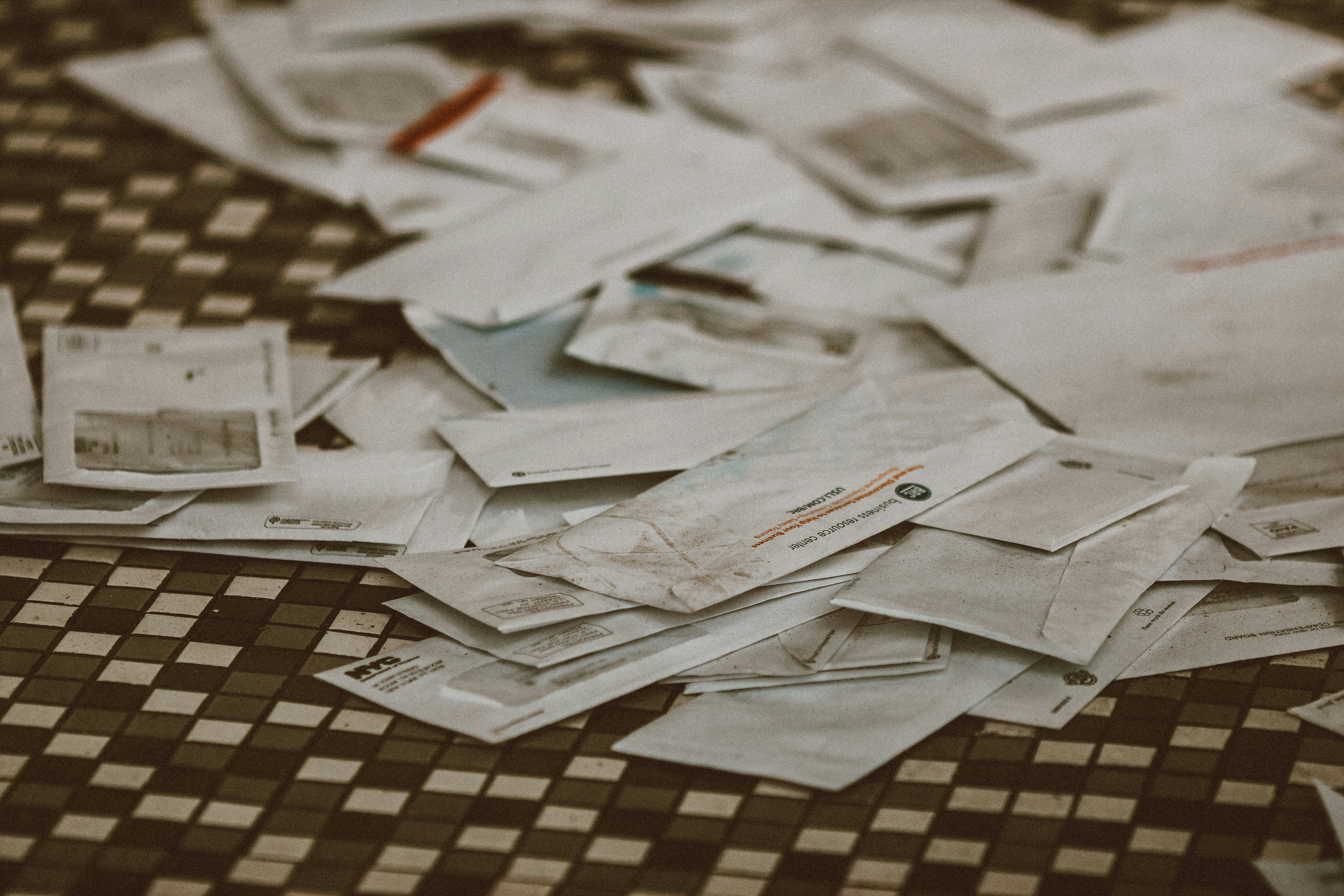
When it comes to address labels, the answer is yes — you should usually shred them when they’re attached to personalized mail. A label with your name, home address, and sometimes a barcode or account-related detail can help confirm who you are to a scammer. Blank envelopes, generic flyers, and unused return address labels don’t carry the same risk.
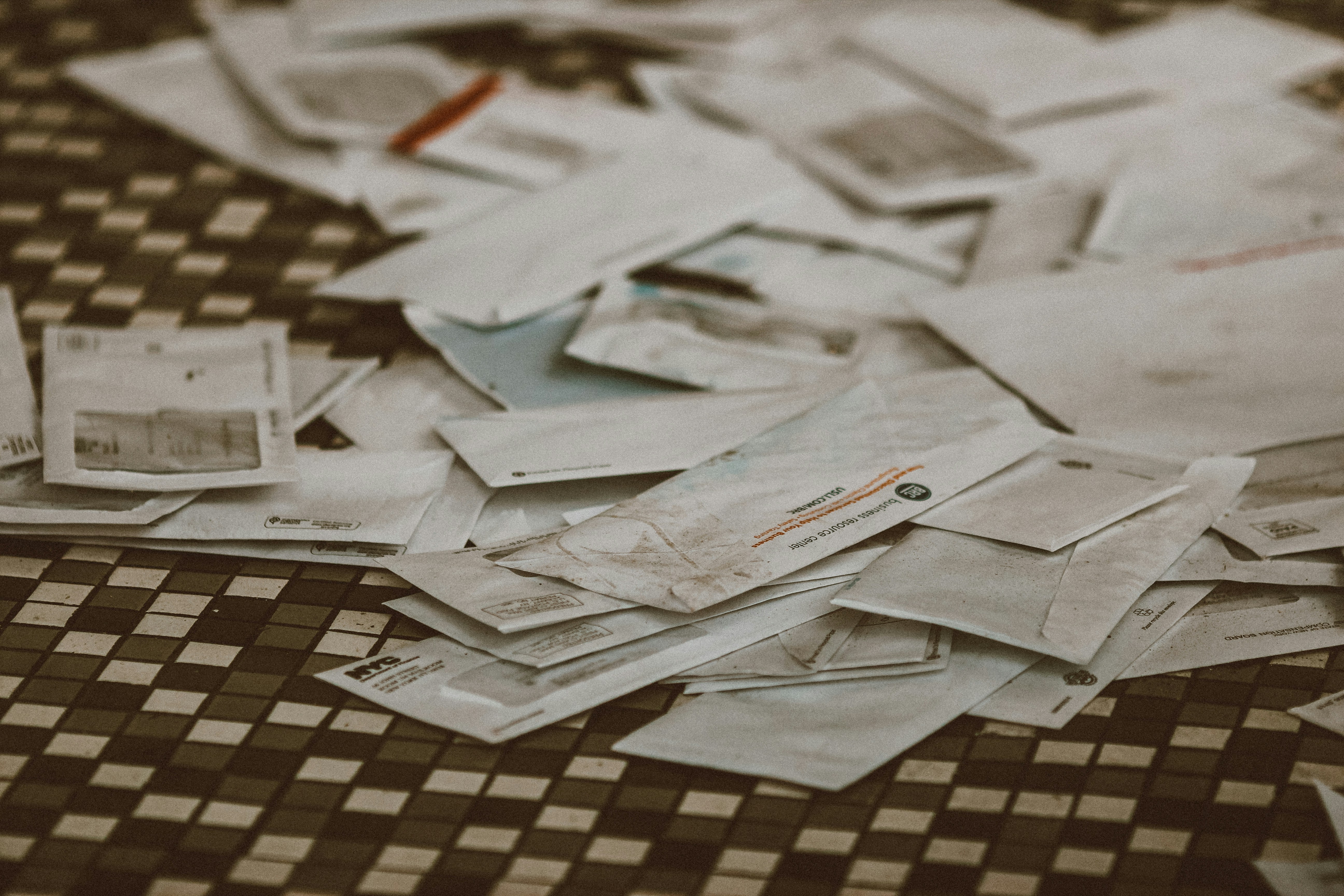
The bigger issue is that identity theft does not always start with a hacked password. Most people associate identity theft prevention with passwords, data breaches, and phishing links. But identity theft can also start with a box on the porch or a pile of unwanted envelopes on the counter.
Consumers reported more than $12.5 billion in fraud losses in 2024, and the U.S. Postal Inspection Service still tells people to pick up mail promptly and not leave it in the mailbox overnight. If you’re wondering whether you need to shred junk mail, mail with your address, or return address labels, here’s the simple rule: shred the pieces that identify you, and recycle the rest.
What Address Labels Can Reveal
A single address label may seem minor, but that’s the wrong bar to measure it against. What a label can do is confirm that a specific person lives at a specific address — and that kind of confirmation can be useful to scammers already piecing together information from other sources. A pharmacy shipping label may suggest a health-related relationship. Subscription boxes can hint at what you buy and how often. Bank envelopes can signal a financial relationship. Combined, details like that can make a phishing call or spoofed email more convincing.
That’s why you should shred address labels when the mail is personalized. Shred or fully obscure anything that shows your full name, your home address, other household names, or other identifying details such as a scannable barcode, a QR code, a customer number, or any hint of a financial, medical, or service relationship.
It only takes a second to toss something into the wrong bin, and much longer to deal with a stolen piece of mail or a scam built around details that were easy to find.
Blank labels are a different story. A pack of custom return address labels or mailing address labels sitting in a drawer is usually less sensitive than used mail — the same goes for an unopened sheet of address label stickers. The bigger concern starts once labels are printed and stuck on real mail. Printed address labels, personal address labels, and any name and address labels tied to your household carry the same risk as a pre-printed envelope.
The same rule covers any address label on envelope mailers that came in the mail, the envelope address labels you peel off before recycling cardboard, and leftover address labels for envelopes printed with your return information. If the label points back to you, destroy it or black it out before it leaves your home.
A Simple Mail Routine
The easiest way to destroy mail safely is to make the decision as soon as the mail comes in, before the pile has weeks to grow. Open what you need, separate what you have to keep, and destroy the rest the same day. That habit works better than promising yourself you’ll deal with it later. It also keeps junk mail from getting mixed in with bills, tax paperwork, warranty information, and other documents that may need to stay on file for a while. Before the pile builds up, run through what to shred and what you can trash to sort the sensitive pieces from the ones you can recycle.
This is also where a little selectivity helps. Before you clean out old drawers, it’s smart to review what items you should never shred, a personal record retention guide, and a practical breakdown of how long to keep bills before shredding. That way, you keep what you still need without hanging on to expired paper forever. If your concern extends beyond paper, the digital basics in how to protect personal information online belong in the same routine, because the safest system is one that covers both paper and digital exposure.
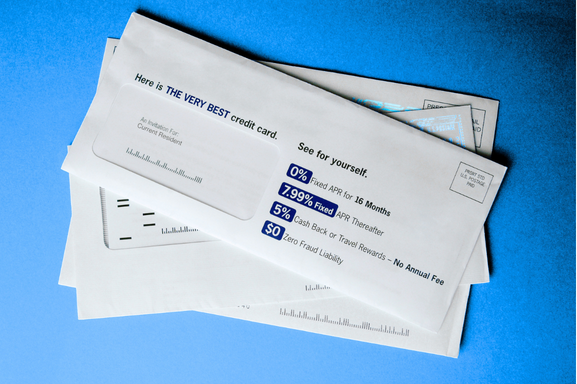
If unwanted credit card offers are the main problem, the FTC says you can reduce prescreened credit and insurance mail by opting out through OptOutPrescreen. Cutting down the volume helps because less personalized junk mail coming into the house means fewer labels, fewer offer codes, and fewer chances to forget something in an open recycle bin. The Postal Inspection Service also recommends you pick up incoming mail promptly and not leave mail in the box overnight, especially when you’re expecting checks or other valuable items. Those are small habits, but they close easy gaps.
When Professional Shredding Services Makes Sense
For a few pieces of paper, a decent cross-cut shredder is usually enough. The trouble starts when sticky labels, thick folded envelopes, padded mailers, and months of accumulated paper all hit the same small machine. Adhesive-backed labels can gum up light-duty blades, and one cleanup project can turn into a chore that drags on for hours. That’s usually the point where home shredding stops being convenient.
A mail shredding service makes more sense when you have a move, a home-office cleanout, or a regular stream of incoming paper that contains names, addresses, account references, or health information. Ongoing mail shredding also helps businesses that handle intake packets, statements, remittance mail, returned invoices, or customer correspondence. The stakes climb even higher for finance teams and medical practices, where incoming paper can include protected data, payment details, and documents that carry real compliance risk if they’re discarded casually.
How Shred Nations Can Help
Shred Nations connects you with local providers for secure paper destruction based on the size and sensitivity of the job. If you only have a small stack of envelopes, labels, and household paperwork, a nearby drop-off location may be enough. If you’re clearing out bins of old mail before a move or after a long filing backlog, a one-time purge can save a lot of time. If you want to watch the process, mobile destruction gives you a witnessed option. For businesses that process mail every week, scheduled shredding or off-site shredding may fit better than relying on a desk shredder and good intentions.
Our network isn’t limited to major metros. We support local projects in Kannapolis, NC, and Ashland, OR, as well as larger markets across the country.
If you’re ready to stop letting old envelopes and labels pile up, fill out our form or call (800) 747-3365. We’ll help connect you with local options and help you find competitive quotes for the level of security your project needs.