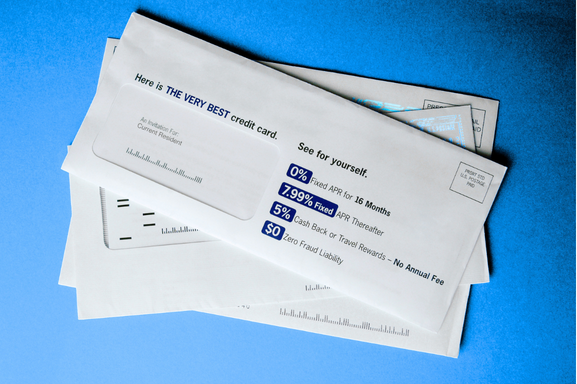



Every school year leaves families with a stack of papers that do not all deserve the same treatment. A report card can matter for years. Yesterday’s homework usually does not. Artwork may be worth saving for emotional reasons, while health forms and tuition paperwork matter because they document something official. When all of that lands in one pile, it becomes harder to see what belongs in your files and what doesn’t.
If you’ve wondered how long to save documents from school, the answer usually depends on whether it proves something official, supports a tax or health question, or preserves a milestone you would genuinely want later.
The documents worth keeping usually do one of four things: prove academic progress, protect access to services, support a financial or tax question, or preserve a real milestone.
Most routine school papers do none of those things for very long. If you’re sorting a wider stack of household documents at the same time, a personal record retention guide can help you separate what belongs in your home files from what no longer needs to stay.
Start With Four Questions
Before you make a keep pile, run each paper through a quick screen:
- Does it document something official, such as grades, placement, enrollment, or school services?
- Does it support health, safety, or accommodations?
- Does it back up money, tuition, reimbursement, or tax records?
- Would you be disappointed to lose it five years from now?
If the answer is no across the board, it is probably not a long-term keeper.
This approach keeps sentimental papers from swallowing official records, and it helps you make faster decisions. You do not need a perfect archival system. You need a usable one. A small folder of strong keepsakes tells your child’s story better than a garage full of duplicate worksheets.
Keep the Essentials
Academic Documents
Keep copies of papers that show your child’s academic path in a clear, official way. That usually includes final report cards, transcripts, major standardized test score reports, and any paperwork tied to school transfers, placement decisions, or graduation. The U.S. Department of Education explains that files maintained by a school can include grades, course schedules, health records at the K-12 level, student financial information at the postsecondary level, and discipline files. Parents have rights to access those records under Family Educational Rights and Privacy Act (FERPA) until those rights transfer to the student. That doesn’t mean you need to keep every weekly grade printout or portal screenshot. It does mean you should keep the papers that explain what the school officially recorded.
From a practical filing standpoint, many families keep the final transcript as the clearest long-term academic record and let most routine progress reports go once they no longer serve a current purpose. Some choose to keep selected report cards for context, applications, or memory.
Health and Support
School paperwork often overlaps with health care and student support. Keep immunization documentation and other school health forms that would be difficult to replace quickly, such as sports physicals, allergy plans, medication authorizations, and follow-up screening notes. The Centers for Disease Control and Prevention (CDC) specifically recommends keeping your child’s vaccination records up to date and in a safe place because they may be needed for school, sports, travel, and some occupations later.
If your child receives accommodations or special services, keep IEPs, 504 plans, evaluation summaries, meeting notes, and the most recent correspondence that explains what support was offered. These papers can become important during a move, a school change, a college transition, or a dispute about services. They also take time to recreate. That alone is a strong reason to hold onto them.
Teachers and school staff face a larger, more compliance-sensitive version of the same problem. If you are clearing classroom files or helping with an office cleanout, the standards around paper shredding for teachers and secure school record management are a closer fit, especially when FERPA-sensitive paperwork is involved. For larger institutional cleanouts, professional shredding services can help schools and educational organizations handle records more securely.
Money and Milestones
Some school papers belong in your financial files, not your memento box. Keep tuition statements, scholarship letters, 1098-T forms, receipts for qualified education expenses, and reimbursement paperwork tied to tax filings or aid questions. The IRS says you should keep documents showing student enrollment and paid qualified tuition and related expenses if you claim education credits. Store those papers with the tax return they support so everything is easy to find later.
Then there is the sentimental category. This is where a little selectivity pays off. Keep the award certificate that marked a real achievement, the essay that showed a jump in confidence, the art project your child still talks about, or the science fair board photo that captures an entire season of effort. You do not need every ribbon, every spelling test, or every worksheet with a gold star. One or two pieces per year often preserve the memory better than an overstuffed bin ever will.
Let Routine Papers Go
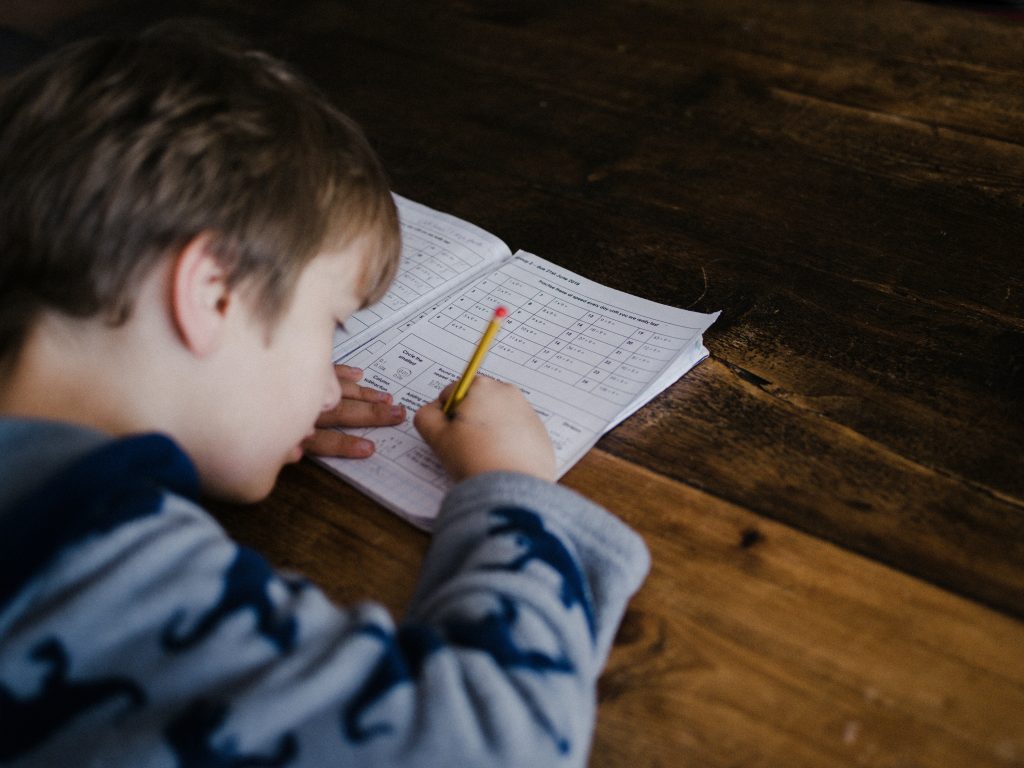
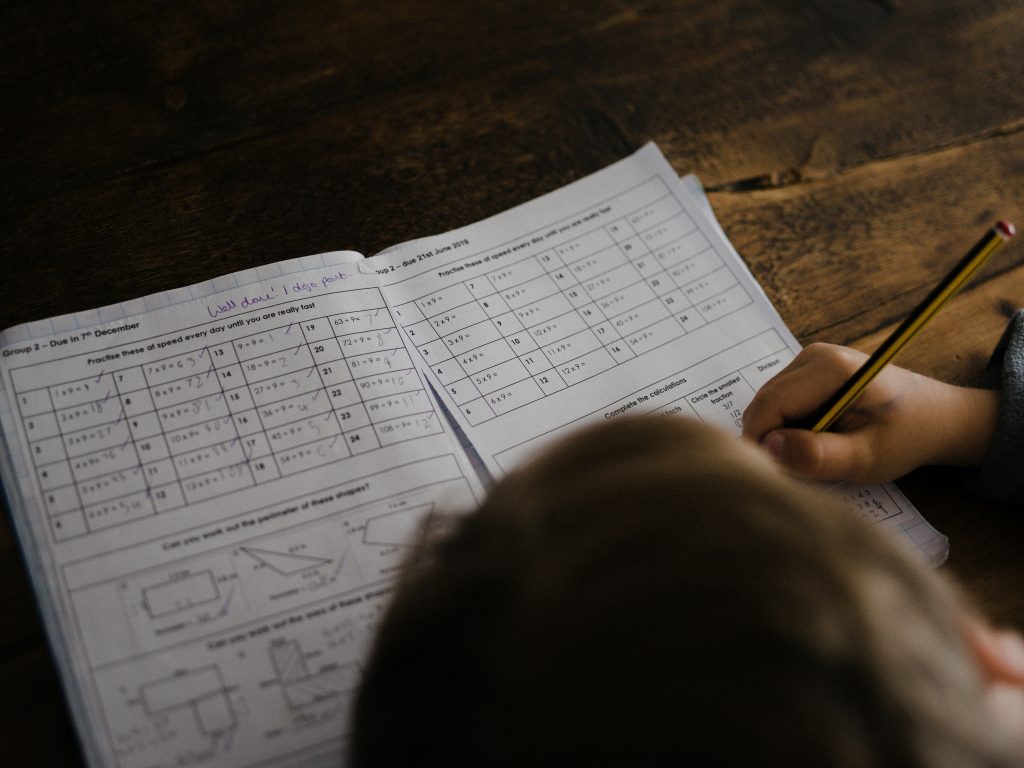
Routine documents is the category that creates most of the clutter. Daily homework, spelling practice, duplicate handouts, routine quizzes, outdated class calendars, old lunch menus, expired permission slips, and event flyers can usually leave once they’ve served their purpose. If the field trip is over, the form is not a keepsake. If the grade has been posted and the assignment was ordinary, it probably does not need permanent shelf space.
There are a few exceptions. Keep routine paper a little longer if it documents an unresolved issue, a grading concern, a discipline matter, or a service question you may need to revisit. Otherwise, most school paperwork should move out of the house on a schedule, not pile up until you can’t shut the closet door.
For many families, the easiest habit is a year-end review. At the end of each semester or school year, pull everything out, keep the papers with lasting value, scan a few sentimental pieces, and clear the rest. If you want to move the discard pile out quickly once the sorting is done, how to shred paper quickly breaks down the most practical options based on how much you need to clear.

How Long to Keep Papers
There is no one retention schedule that fits every family, but a simple working timeline covers most situations.
Keep these documents long term:
- final report cards and transcripts
- IEPs, 504 plans, and major evaluations
- immunization records and key health forms
- scholarship, tuition, and tax-related paperwork
- major awards, certificates, and a small set of standout work
Keep these documents through the next transition:
- current schedules, reading lists, and course selection papers
- teacher notes or progress reports tied to a current concern
- portfolios, audition packets, or major projects still useful for applications
- sports, club, or activity paperwork needed for the current season
Keep these documents briefly, then dispose of them securely:
- permission slips after the event
- routine homework and quizzes after grades are finalized
- duplicate notices already posted online
- newsletters, flyers, and administrative reminders
When school-related papers support a tax return, keep them with the return for the same amount of time you keep your other tax documents. When a paper would be difficult or costly to replace, keep it longer. That rule covers more realistic situations than most neat filing charts do.

Build a Simple System
A workable filing system beats a complicated one you will abandon after two weeks. One portable file box, one digital folder, and one short yearly review can handle most families’ school papers.
Try using these four labels:
- Permanent: transcripts, report cards, vaccine records, IEPs, 504 plans, major awards
- Current Year: forms and papers still active this semester
- Scan Then Shred: essays and projects you want to remember without storing in full size
- Shred Now: routine papers with no future use
If you have more than one child, keep a separate folder or accordion file for each child. Date the folder by school year. For sentimental work, take clear photos or scan the best pieces, then keep only the originals that still feel special in your hands. That gives you memory without turning your home into a storage facility.
Families are not the only people who need a practical retention routine. If your household also runs a home office or small business, the same discipline can help you keep school papers separate from work files. If your household also runs a home office or small business, residential shredding services can help you compare options for personal paperwork and mixed home documents without folding everything into the same filing system.
When to Shred
Throwing school papers in the trash is easy. It is also careless when those papers include names, addresses, phone numbers, student ID numbers, signatures, health details, or financial information. Even ordinary-looking school paperwork can carry more personal information than you remember.
For a small cleanout, a nearby shredding drop-off location is often the practical option. If you are doing a whole-house paper reset, one-time purge service is built for those larger cleanouts. Some families prefer on-site mobile shredding so they can watch the destruction happen at home. Others choose off-site shredding when pickup convenience and project size matter more than witnessing the process. If you regularly generate paper through a home office, tutoring business, or school administration role, scheduled destruction can keep the pile from returning.
How Shred Nations Can Help
Once you decide what school papers to keep, the rest should leave your home securely. Shred Nations connects people with local shredding providers nationwide, so you can compare service options without calling around yourself. Our provider network reaches west coast markets like Phoenix and east coast cities like Providence, so you can look for secure document destruction options no matter where you are located.
Starting the process is easy. You share a few details about your project, we identify providers in your area, and local partners send free quotes so you can compare options based on timing, volume, and budget. That gives families a clear next step once the sorting is done.
Whether you have one file box of old homework and report cards, or a larger household paper cleanout, this makes secure disposal easier to arrange. You can compare local options, narrow the field faster, and find competitive quotes without spending your weekend calling providers one by one. Keep the papers your family may need again, scan the few that carry real memory, and securely destroy the rest. You end up with less clutter, less exposure, and a filing system you can maintain. Call (800) 747-3365 or fill out our form to discuss the size of your project and the type of service you need.