Have old electronics or hard drives that you’re ready to discard? Throwing these items in the garbage is unsafe for the environment and puts your private information at risk.
Learn the truth about electronics disposal. Watch the video or read the transcript below to uncover how your should dispose of old electronic devices and hardware.
Video Transcript
Separating Myth from Reality
While the generally accepted method for disposing paper is shredding, when it comes to electronics it can be less clear.
Ranging from deleting data, using a hammer, or just shredding them yourself, there are numerous myths about the right way to dispose your electronics.
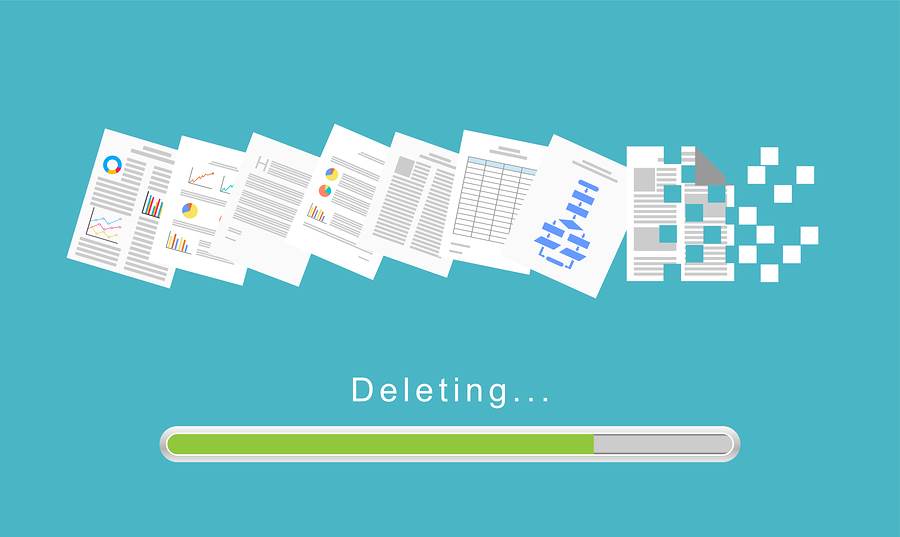
MYTH: Deleting Data is Cheaper and Just As Safe
Off all methods, deleting data is the most convenient and is also free. Rather than needing to shred and destroy data, it’s often thought that formatting a drive is enough to ensure information is protected.
FACT: Formatting and Deleting Isn’t Permanent
There are tools like EaseUS data recovery software that are designed to restore all files you delete or format—effectively undoing your security measures.
The RCRA imposes severe penalties for electronics disposal without a permit: 5 years in prison and/r up to $50,000 per violation day. For making the mistake twice, penalties double.
MYTH: Shredding Yourself is Enough for Regulators
Another myth to bust is that as long as electronics are disposed in compliance with the RCRA, auditors and regulators will be satisfied enough to give a passing grade.
FACT: You Have to Prove It
While you may be doing your best to play by the rules, for regulators you need to be able to prove it.
When you use an electronics destruction provider, you’re given a certificate of destruction for proof of compliance, with details including date, locations, and chain of custody.
MYTH: Office Electronics Don’t Need Destruction
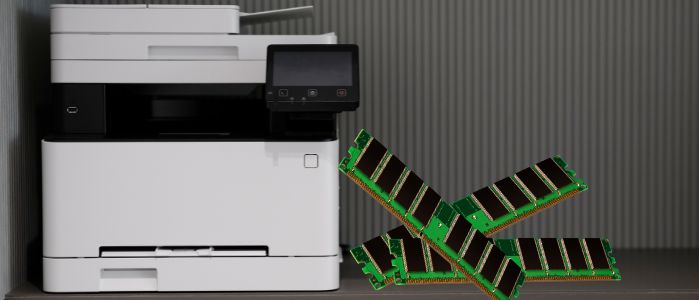
One other common mistake is thinking office electronics like copiers and printers can be recycled as-is.
While computers or external hard drives typically store data needing destruction, office electronics are often thought to be just tools with no memory.
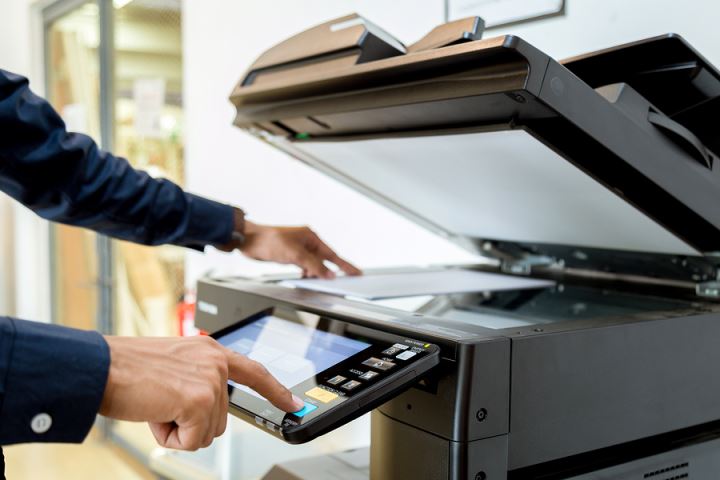
FACT: Printers and Copiers Save Data
Contrary to popular belief, things like printers and copiers save and store an image of any document used with the machine.
Because internal hard drives in office electronics usually hold large amounts of sensitive data, thieves often buy recycled equipment just to steal information form the previous owner.
Find a destruction service provider near you who will ensure to leave your products utterly demolished, and your information safe. Call us at (800) 747-3365 or fill out the form on the right for free quotes on services near you!
This website utilizes technologies such as cookies to enable essential site functionality, as well as for site improvement analytics and personalized services. We also share user traffic data with our analytics and search engine paid advertising platforms for improving performance of these campaigns. Personal information such as name, phone, email address and zip code is used by us and our servicing partners to contact you and service your request. By continuing to use this website, clicking OK, or by closing this notice using the 'X', you consent to the use of cookies. Not consenting or withdrawing consent, may adversely affect certain features and functions. To manage your preferences, please click on the Opt-Out Personal Information and Cookie Preferences link. You may also exercise your Do Not Sell My Personal Information option by clicking on the Opt-Out Personal Information and Cookie Preferences link.
Functional
Always active
The technical storage or access is strictly necessary for the legitimate purpose of enabling the use of a specific service explicitly requested by the subscriber or user, or for the sole purpose of carrying out the transmission of a communication over an electronic communications network.
Preferences
The technical storage or access is necessary for the legitimate purpose of storing preferences that are not requested by the subscriber or user.
Statistics
The technical storage or access that is used exclusively for statistical purposes.The technical storage or access that is used exclusively for anonymous statistical purposes. Without a subpoena, voluntary compliance on the part of your Internet Service Provider, or additional records from a third party, information stored or retrieved for this purpose alone cannot usually be used to identify you.
Marketing
The technical storage or access is required to create user profiles to send advertising, or to track the user on a website or across several websites for similar marketing purposes.
To provide the best experiences, we use technologies like cookies to store and/or access device information. Consenting to these technologies will allow us to process data such as browsing behavior or unique IDs on this site. Not consenting or withdrawing consent, may adversely affect certain features and functions.
Functional
Always active
The technical storage or access is strictly necessary for the legitimate purpose of enabling the use of a specific service explicitly requested by the subscriber or user, or for the sole purpose of carrying out the transmission of a communication over an electronic communications network.
Preferences
The technical storage or access is necessary for the legitimate purpose of storing preferences that are not requested by the subscriber or user.
Statistics
The technical storage or access that is used exclusively for statistical purposes.The technical storage or access that is used exclusively for anonymous statistical purposes. Without a subpoena, voluntary compliance on the part of your Internet Service Provider, or additional records from a third party, information stored or retrieved for this purpose alone cannot usually be used to identify you.
Marketing
The technical storage or access is required to create user profiles to send advertising, or to track the user on a website or across several websites for similar marketing purposes.