

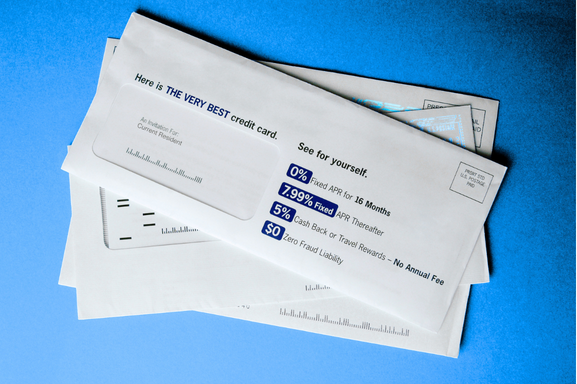
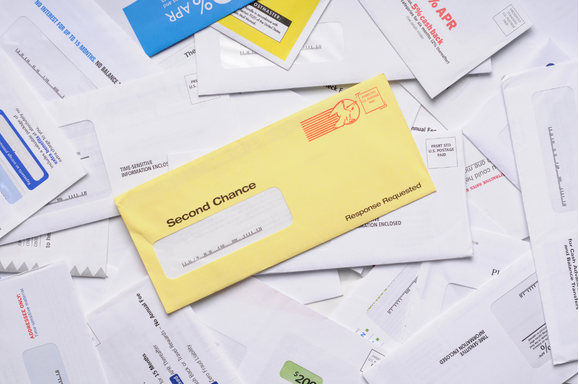
Credit card mail may seem harmless until it sits in the trash, on a hallway table, or in an unlocked mailbox long enough for someone else to grab it. When you aren’t using the mailer, destroy it before it leaves your control. That small habit supports identity theft prevention and reduces the odds that a thief can turn ordinary junk mail into a bigger problem.
The risk here isn’t every piece of paper in your home. It’s the stack of lender mail that confirms your name, your mailing address, and your value as a target. Read on to learn more about reducing risk by shredding credit card offers and junk mail.
Why Credit Card Offers Raises Risk
A credit card offer isn’t the same as a grocery circular or a catalog insert. The Federal Trade Commission explains that companies use information from credit reports to send prescreened offers, and the prescreening inquiry itself doesn’t hurt your score. That means unwanted credit card offers may arrive simply because a lender decided you met certain screening criteria, not because you asked for them. FTC guidance on prescreened offers is a helpful starting point if you want to understand how that system works.
Most envelopes can’t open a new account on their own. The real risk is that mail thieves and scammers often piece together information from more than one place. A lender mailer can confirm where you live, which kind of product is being marketed to you, and how to time a phishing call, email, or fake follow-up letter. That’s one reason credit card fraud so often overlaps with broader identity theft, and why shredding lender mail you don’t want is simple, practical identity theft prevention.
What Credit Card Offers Can Reveal
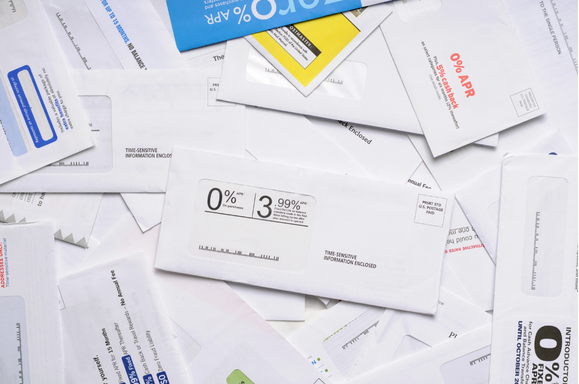
Some envelopes are harmless. Others are more revealing. Depending on the sender, you may see your full name, a mailing address, a promotional code, or a response form tied to the offer. If you like comparing new credit card offers or saving interest-free credit card offers for later, keep only the pieces you genuinely plan to review and store them out of sight until you decide.
Once the mailer is no longer useful, shred it. Don’t leave it loose in an open recycling bin or toss it into a shared apartment trash room, or let it pile up in the back seat of your car. If you handle old statements, rate-change letters, and lender promotions together, it also helps to know how long to keep bills before shredding. And before you feed glossy inserts, laminated pieces, or plastic cards into a home device, review what items you should never shred.
The Mailbox Is Part of Security
One overlooked part of how to prevent credit card fraud is simply handling incoming and outgoing mail more carefully. The U.S. Postal Inspection Service recommends picking up mail promptly, asking about overdue checks or cards, and contacting the sender if valuable mail doesn’t arrive when expected. Those habits help because a stolen replacement card or lender follow-up can create problems before you notice anything missing. USPIS mail-theft tips lay out the basics.
Paper security and digital security also reinforce each other. If someone learns enough from your mail to target you with a fake bank text or issuer email, the next step is often an account-login attempt or a request for more personal information. That’s why mailbox habits support stronger digital practices like password security, software updates, and account monitoring in any realistic plan to prevent identity theft.
Opt Out When It Fits
Not everyone wants to stop every credit card offer from landing in their mailbox. Some people use pre-approved offers to compare rates, rewards, and annual fees. Others would rather keep that paper out of the house altogether. The FTC says you can opt out of prescreened mail for five years or start a permanent opt-out through OptOutPrescreen. That won’t stop every kind of marketing mail, but it can reduce the flow of lender solicitations based on credit-bureau lists.
So, if you’ve ever asked yourself whether you should shred credit card offers, the short answer is usually yes. Keep the offers you’re actively evaluating, and shred the rest. Offers have a short useful life — as a rule of thumb, if you haven’t acted on one in a few weeks, treat it as stale and destroy it. If you see something suspicious tied to a missing envelope or an unexpected application, move quickly with the lender, monitor your accounts, and watch for signs of credit card fraud.
Homes, Offices, and Mailrooms
This issue isn’t limited to households. Small firms, medical practices, real estate offices, lenders, and mailrooms often receive customer-facing promotions, replacement cards, convenience checks, and marketing packets that shouldn’t sit in a common recycling bin. For teams that use consumer reports or information derived from them, secure disposal may also connect to policies shaped by the FTC’s Disposal Rule under Fair and Accurate Credit Transactions Act (FACTA) compliance.
The scale of the solution depends on the project. A home office may only need a locked container and a periodic cleanout. A lender, accounting team, or branch office may need documented handling and a certificate of destruction after service. The right setup depends on volume and audit expectations. Workloads that look residential on Monday can start to resemble residential shredding needs or even finance-industry disposal requirements by the end of the month, especially when mailed applications and account documents keep piling up.
How Shred Nations Can Help
If unwanted credit card offers are filling a drawer, a kitchen counter, or a mailroom shelf, we can help you match the cleanup to the job. Smaller batches may be easiest through a local drop-off directory. If you want to watch the documents being destroyed, mobile shredding is often the best fit. If the mail volume has built up over time, one-time purge service can make a larger cleanout easier.
For offices that deal with a steady stream of applications, statements, and prescreened mail, scheduled shredding helps keep paper from piling up between pickups, while off-site destruction can work well for bigger backlogs. Our network reaches far beyond major coastal metros, with local options in places like Marietta, GA and Tucson, AZ.
We connect you with local providers based on project size, timing, and service needs, whether you’re clearing out a few envelopes at home or tightening mail-handling practices for a business.
To get started, fill out our form or call (800) 747-3365. We’ll help you find competitive quotes and a secure disposal option that fits the way you actually handle mail.