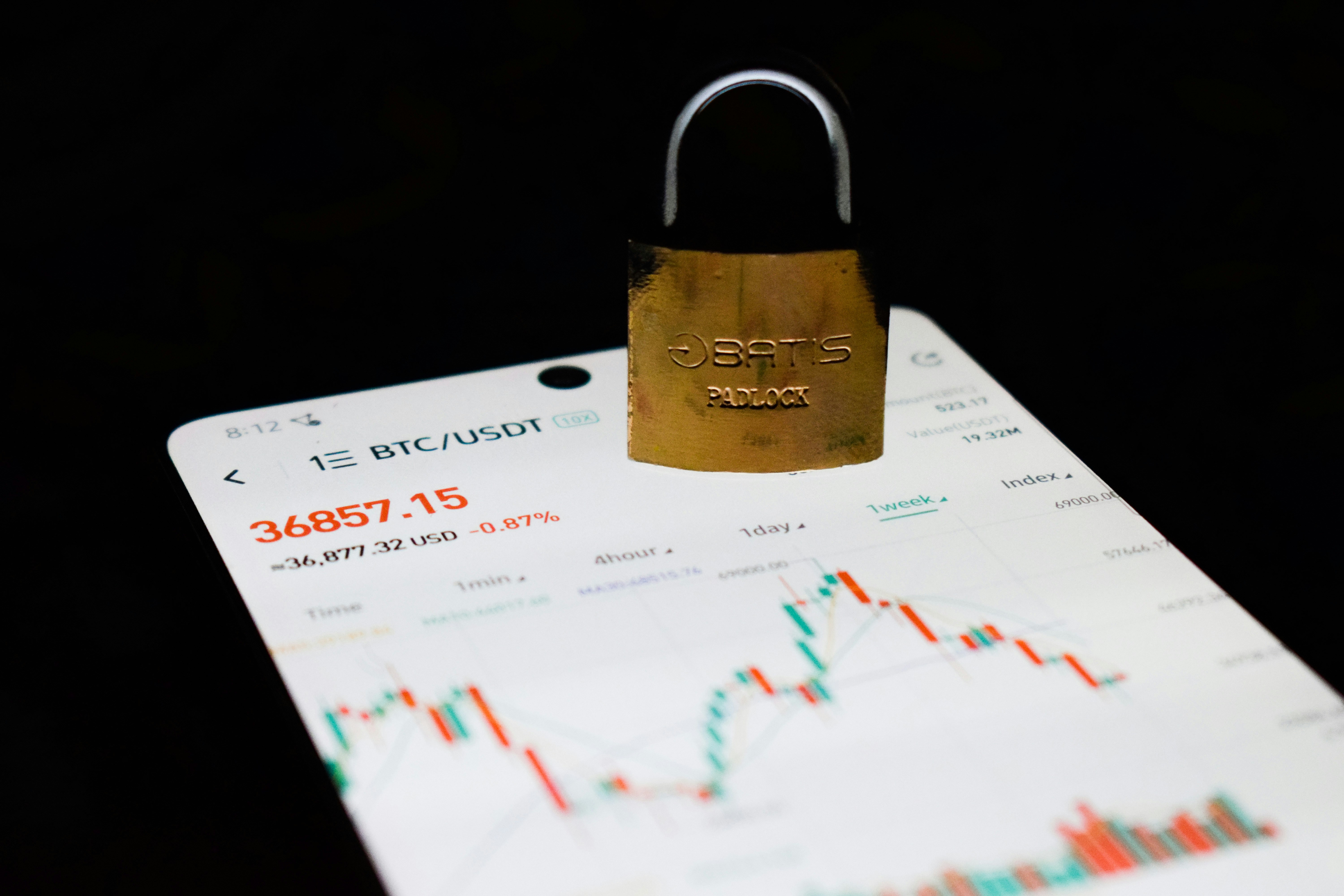



A data breach doesn’t always start with a dramatic hack. It can begin with a reused password or an unlocked cabinet. Even a misplaced personnel file, phishing email, or box of old invoices left beside a trash bin can be a risk. Once confidential information is exposed, the damage can escalate quickly to fraud risk, compliance questions, customer concern, staff disruption, and cleanup costs.
Data breach prevention works best when it covers both digital and physical information. Your software, access controls, employee training, paper disposal habits, and response plan all need to work together. In this guide, we explain what a data breach is, how breaches happen, which data breach prevention steps reduce risk, and how to prepare a data breach response plan before you need one.
What Is a Data Breach?
A data breach is a security incident where sensitive, protected, or confidential information is accessed, disclosed, copied, stolen, or used by someone who should not have it. That information may include:
- Social Security numbers
- Employee paperwork, payroll files and health information
- Tax documents and financial data
- Account numbers and login credentials
- Client contracts and business plans
Some breaches are caused by outside attackers. Others happen because information was sent to the wrong person, stored in the wrong place, left unsecured, or disposed of improperly. Database breaches can impact customer relationship management systems, cloud platforms, billing tools, or other software that stores sensitive information. A paper-based breach can be just as impactful — a result of discarded files, abandoned boxes, or documents removed from a workspace.

For businesses building formal policies, the National Institute of Standards and Technology (NIST) Cybersecurity Framework gives security teams a practical way to organize work around governance, risk identification, protection, detection, response, and recovery. For smaller offices and households, start with the basics: know what information you have, limit who can access it, protect it while you need it, and destroy it securely when you don’t.
How Data Breaches Happen
Data breaches usually happen when a vulnerability meets an opportunity. That vulnerability may be technical, physical, procedural, or human. A few of the more common causes include:
- Phishing messages and weak passwords
- Unpatched software and exposed cloud folders
- Stolen devices, lost paperwork, and vendor errors
- Overly broad employee access and poor disposal practices
In offices, risk often sits in ordinary places like printers and mail trays, desks and shared recycling bins, and file rooms and storage closets. However, for most companies, sensitive information lives in both digital and hard-copy form.
A human resources team often holds documents like W-4 forms, I-9 paperwork and payroll documents. Medical offices, on the other hand, handle patient intake forms, billing paperwork, and insurance details. Legal practices store case files, discovery materials, settlement drafts, and client correspondence. Each document type has its own risk if it’s lost, mishandled, or thrown away intact.
Identify Your Highest Risks
Data breach prevention starts with knowing where your most sensitive information sits. Walk through your workplace, home office, or storage area and look for paper and electronic information that could harm a person or business if exposed.
Pay close attention to:
- Documents with account numbers, signatures, dates of birth, health details, tax IDs, or Social Security numbers
- Shared drives and cloud folders with broad permissions
- Old file cabinets, banker’s boxes, and archived paperwork
- Printed reports left near copiers, scanners, and mail areas
- Vendor invoices, customer lists, and employee files
- Laptops, hard drives, and removable media that may store sensitive data
Once you know where the information lives, assign ownership for deciding how long each document type is kept, who may access it, and when it moves into secure destruction. A documented information security plan gives that ownership structure a written home, which makes a breach response much easier when teams need fast, clear decisions.

At home, tax returns, medical bills, loan documents, school paperwork, estate documents, and insurance files often contain enough information for identity theft. Many of the same data theft prevention habits that protect a workplace also help at home. It’s smart to lock sensitive papers, monitor accounts, and shred documents that have outlived their usefulness. Before you clear out a filing cabinet or move boxes from a garage, separate routine paperwork from sensitive documents that need secure disposal.
Strengthen Access Controls
Access control is one of the most practical data breach prevention measures because it limits how far a mistake or attack can spread. Give employees access only to the information they need to do their jobs. Disable old accounts promptly, avoid shared logins, and review permissions when someone changes roles.
For digital systems, use multifactor authentication where possible, require strong passwords or passphrases, update software, and encrypt sensitive data. Encryption helps reduce harm if a device, account, or storage location is compromised. Access reviews also help uncover stale permissions, forgotten folders, and accounts that stayed active after a project ended.
Give physical access equal attention as well. Lock file rooms, use secure collection containers, restrict access to archived documents, and keep confidential paperwork away from public-facing areas. A clean desk policy can reduce the chance that client files, employee paperwork, or financial documents are left out after hours.
For large organizations, it’s also helpful to review vendor access. If a payroll provider, billing vendor, or contractor handles sensitive information, your internal data breach prevention plan should define what they can access, how long they retain it, and what happens when the relationship ends.
Train Employees Early
Many security breaches involve ordinary workplace behavior: clicking a fake login page, sending a file to the wrong contact, printing sensitive documents and forgetting them, or saving data in an unauthorized location. Training helps employees recognize those moments before they become incidents.
It helps to keep training specific. A generic annual slideshow is easy to ignore. Instead, use examples employees recognize from their own work:
- Invoices, tax documents and wire instructions
- Legal drafts, signed contracts, and client packets
- Patient forms, employee files, and student paperwork
The training information should include common guidance and best practices. Employees should know to report a suspicious email or link when they come across one. If they receive unusual payment or file-transfer requests, employees should verify their validity before taking any action. The use of secure bins instead of trash or open recycling should be stressed, along with the recommendation to report lost devices, missing files, or accidental disclosures. When in doubt, employees should also be encouraged to escalate suspected incidents quickly.

Training that’s specific also helps staff understand why secure disposal matters. A document doesn’t necessarily stop being sensitive because it’s old. Outdated paperwork is risky because it may sit forgotten in storage until an audit, merger, or office cleanout forces a rushed decision. Strong data privacy and security habits give employees clear rules before that pressure hits.
Prepare a Response Plan
The best data breach response plan is one that’s developed before a breach occurs. During an incident, teams need names, roles, and next steps. Unclear roles and steps can lead to confusion and loss of valuable time.
The Federal Trade Commission’s data breach response guide recommends moving quickly to secure operations, stop additional data loss, assemble the right internal and external experts, and fix the vulnerabilities that may have caused the breach. Build your plan around those practical actions.
A strong written plan covers:
- Who leads the response
- How employees report suspected incidents
- How IT, legal, operations, HR, and leadership coordinate
- How systems, accounts, files, or physical areas are secured
- How evidence is preserved
- How affected data is identified
- How notification duties are reviewed
- How customer, employee, vendor, and media communication is handled
- How recovery steps are documented
- How the plan is tested and updated
For healthcare organizations and medical-adjacent vendors, include Health Insurance Portability and Accountability Act (HIPAA)-aligned procedures in breach response planning. The HHS Breach Notification Rule explains notification duties after a breach of unsecured protected health information. Before a disposal project begins, map physical document handling, provider certification expectations, and chain-of-custody documentation.
Other regulated fields bring their own documentation requirements. Business shredding services need to support internal privacy policies and procurement requirements. Medical document destruction and legal document disposal each carry compliance and chain-of-custody expectations that shape how an incident gets documented.
Responding Quickly After a Breach
If you suspect a data breach has occurred, it’s important to move quickly. The first goal is to stop additional exposure without destroying evidence. That may mean disabling compromised accounts, locking physical storage areas, removing exposed online files, pausing certain workflows, or bringing in forensic and legal support.
Document what you know as it happens:
- Date and time of discovery
- Who reported the issue
- Which systems or documents may be involved
- What was done to contain it
- Who was contacted
- Where physical documents were stored
- Who had access
- Whether containers or rooms were locked
- Whether documents were recovered
After containment, identify what information was exposed. Names alone carry one level of risk. Names paired with Social Security numbers, bank details, health information, account credentials, tax IDs, or signatures carry more. The type of information involved will shape legal review, notification steps, customer support, and future prevention work.

Once the immediate response is clear, review the cause. If the breach involved discarded paper, update your retention schedule and disposal procedures. If employees were unsure what to shred, clarify the policy. If boxes sat too long in storage, schedule regular destruction. A documented certificate of destruction from a provider can help support internal documents, audits, and compliance files after eligible services.
Make Prevention Routine
The best data breach protection plan is one employees can follow on a normal day. Complicated rules tend to fail when offices are busy, understaffed, or facing deadlines. Start with a few habits that lower risk quickly:
- Lock sensitive files at the end of every workday
- Use secure bins for documents that need destruction
- Review access permissions on a regular cadence
- Update software and patch known vulnerabilities promptly
- Train staff to recognize phishing and unusual requests
- Shred documents as soon as their retention period ends
- Keep a response plan where the right people can find it
It’s also helpful to build a schedule. Quarterly access reviews, annual policy updates, recurring security training, and regular document destruction all help prevent small problems from growing. Teams that handle high-risk information may need more frequent reviews.
Secure document destruction also supports a broader security culture. When employees see locked bins, clear instructions, and consistent pickup schedules, they’re less likely to leave confidential paperwork in open recycling or desk drawers. Even in a digital-first workplace, hard-copy disposal stays part of a strong security plan, and the connection between shredding and data security is one of the easier wins to build into routine operations.
Secure Paper Documents
Cybersecurity gets much of the attention, but paper remains a common source of exposure. Printed documents can be copied, photographed, misplaced, stolen, or recovered from the trash. Once a document leaves your control, it may be difficult to prove where it went.
To avoid this, be sure to cover the full document life cycle in your secure paper handling plan. Store active files in locked areas, limit printing, collect unneeded paperwork in secure containers, and schedule destruction before boxes pile up. For offices with ongoing document flow, scheduled shredding through providers in our network can help keep sensitive paperwork from accumulating in desks, closets, or open bins.
For small volumes, drop-off locations can be a practical option for households, home offices, and small businesses with a few boxes of documents. Larger cleanouts, regulated documents, or projects that need proof of destruction usually call for a scoped service through a qualified provider.
For businesses comparing options, mobile shredding may allow witnessed destruction at your location, while off-site destruction may be a better fit for larger volumes that can be transported in sealed containers. A one-time purge is often useful after tax season, office moves, file room cleanouts, acquisitions, or policy changes.

How Shred Nations Can Help
Data breach prevention takes planning, but secure document disposal does not have to be the hardest part of the process. Shred Nations connects households, home offices, small businesses, and larger organizations with local providers that fit the project size, security needs, and service location.
For compliance-sensitive or higher-volume projects, our team can help scope the job by phone so you can compare competitive quotes from providers that match your needs. Providers may provide certificates of destruction for qualifying services.
That broad provider network helps whether you’re clearing out a few boxes in Albuquerque, planning an office purge in Richmond, or coordinating secure disposal across multiple locations. Providers in our network can support a wide range of paper shredding services for residential and commercial projects without making you sort through vendors on your own.
To strengthen your data breach prevention plan with secure document destruction, fill out our form or call (800) 747-3365. We’ll help connect you with providers in your area and find competitive quotes for the service that fits your documents, volume, timeline, and security requirements.