

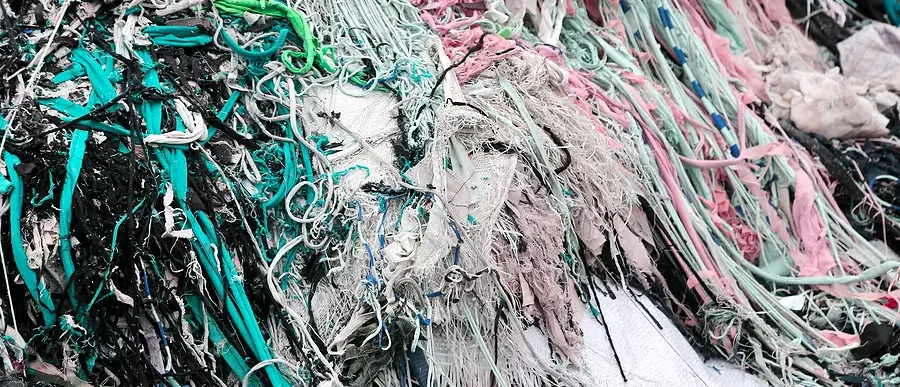
If you’ve never considered what happens to your clothes when you get rid of them, you’re not alone. The impact that those old clothes have on the environment is bigger than you might think. Discarded clothing actually accounts for a large part of the 21 billion pounds of textile waste that Americans add to landfills each year. That’s no small number. Changing trends, online shopping, fast fashion, and consumer culture contribute to the exponential rise of this kind of waste.
While the main source of textile waste is discarded clothing, there are many other sources. Textiles range from carpets and rugs to bedding, upholstery, curtains, towels, and more. Because textiles are often necessary items, it can be difficult to reduce your waste. Below, we will take a closer look at the effects of textile waste and sustainable options that keep textiles out of our landfills.
What are Textiles?
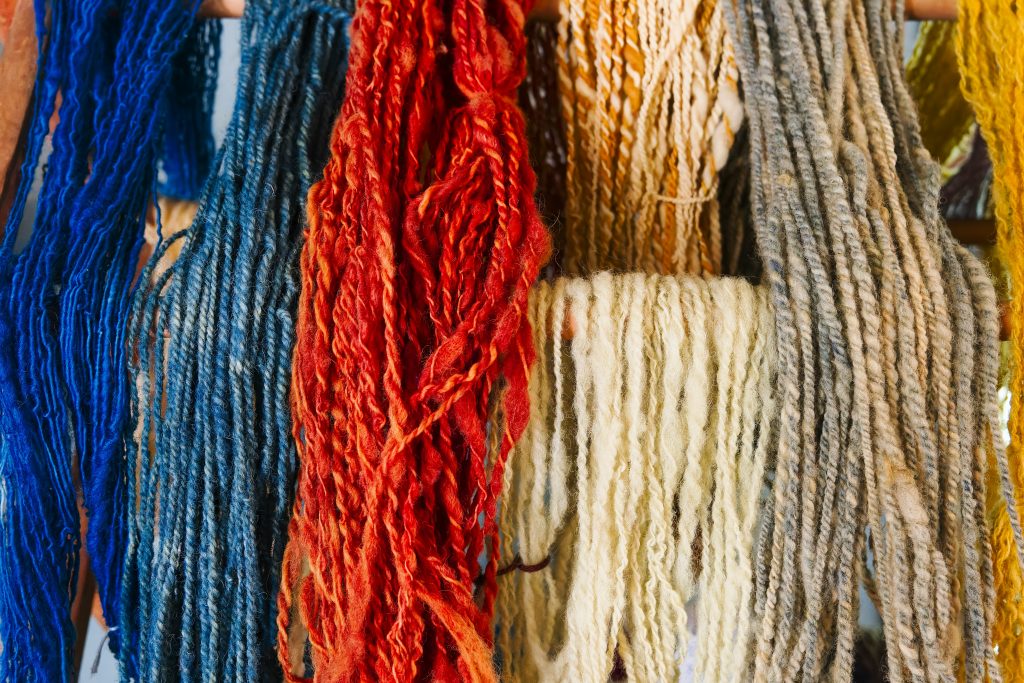
We gave some examples above, but textiles are categorized as materials that consist of interlacing fibers. We create them by processing, weaving, or knotting natural and synthetic fibers. Natural fibers include cotton, hemp, flax, wool, silk, and others. Popular synthetics include rayon, polyester, nylon, and spandex. Textile waste also comes from raw materials and manufactured goods.
Types of Textile Waste
Pre-Consumer Waste
Pre-consumer, raw materials are fabrics that we produce but never use. We often refer to this as “deadstock.” However, it is often cheaper for manufacturers to overproduce than underproduce, resulting in mass production, excess inventory, and a lot of waste. Damaged fabrics, rejected colors, and fabric cuts would also fall into this category.
Post-Consumer Waste
Finished goods that consumers discard are categorized as post-consumer waste. This includes many products — clothing, footwear, blankets, curtains, mattresses, cushions, cleaning materials, old sports uniforms and equipment, and much more. Currently, only 15% of post-consumer textile waste is donated or recycled. The rest goes to landfills.
Why is Textile Waste Concerning?
Textile waste is a growing challenge globally. An estimated 92 million tons of textile waste is created worldwide annually and that number is only increasing. On top of that, textile production uses nearly 800 billion gallons of water annually and accounts for 20 percent of industrial water pollution.
The negative environmental impact, increasing landfill volume, and waste of unused textiles are not only bad for the planet but also bad for business.
How to Reduce Textile Waste
With the rising amount of textile waste, it’s important to combat its growth however possible. This effort isn’t just on consumers, either. In order to effectively decrease the amount of textile waste, the manufacturing side of the industry must take part as well.
Pre-consumer Waste Reduction
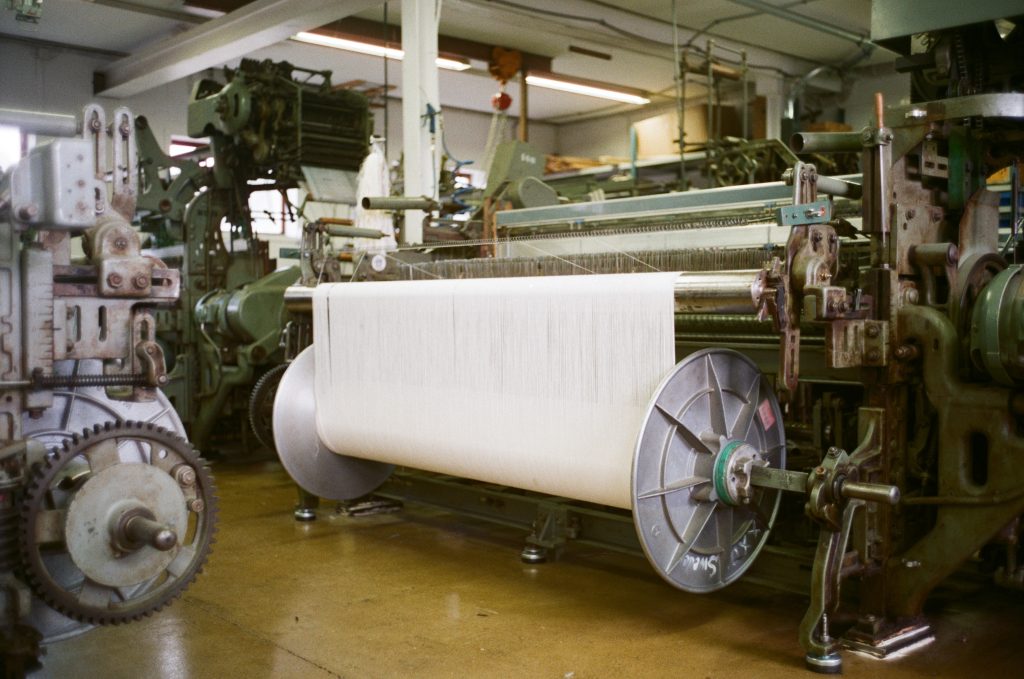
Businesses can start by making improvements in the supply chain. With tracking and analytics, they can find waste and make an effort to reuse, resell, or recycle textiles responsibly. Product destruction and recycling services are available to safely dispose of products that they cannot return to the marketplace.
Custom production and direct-to-consumer business models could also reduce waste. Research is always being done to discover new applications for textile waste. For example, developments in creating biodegradable textiles from fruit fibers look promising for future production. Imagine all the other creative ways we can reduce waste.
Post-consumer Waste Reduction
On the consumer side, it can help to invest in “slow fashion” clothing, which is made to be durable, long-lasting, and sustainable. Shifting the market away from “fast fashion” would shift the industry to participate in more sustainable practices. Thrifting, repairing, and donating items will also extend the life of textiles and keep them out of landfills. Textile recycling options are also available for individuals, not just businesses.
Textile Recycling
Generally speaking, most textiles are completely recyclable. The recycling process involves bringing the textile back to its original form and stripping the material down to the raw fiber.
- Textiles are first sorted by material and color.
- Materials are then processed into raw fibers.
- The raw fibers are then cleaned and re-spun into new textiles.
- Those new textiles can be made into rags, carpets, garments, insulation, and many other products.
While making a conscious effort to recycle textiles takes, well… effort, the payoff is worth it. Recycling textiles can greatly reduce waste and contribute to the health and sustainability of our environment. By recycling your textiles, you’ll contribute to a more sustainable, eco-friendly future.
Find Textile Recycling Services with Shred Nations
Shred Nations helps both individuals and businesses better manage their textile waste with product destruction services. Through our nationwide network of trusted professionals, we can support your textile recycling needs from Burbank to Bangor and everywhere in between.
In addition to textile recycling, our certified destruction experts also provide on-site mobile shredding, off-site destruction, and drop-off locations for your documents and records. Be it a one-time purge or recurring services, we’ll ensure your shredding needs are handled securely.
Give us a call at (800) 747-3365 or fill out the form to be connected with shredding professionals in your area.