

For most Americans, jeans, bedsheets, and rugs are pretty familiar items. We’re surrounded by clothing, home goods, decor, and other textiles every day. But do you know how much these materials can impact the environment?
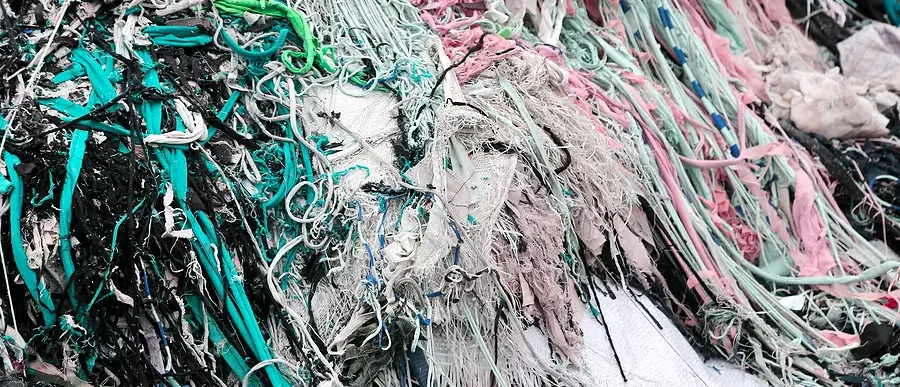
According to the Council for Textile Recycling, the U.S. generates an average of 25 billion pounds of textiles per year. Out of that 25 billion pounds, nearly 85% ends up in landfills. What’s worse is that natural fibers can take years to break down, while synthetics are designed to avoid decomposition completely. This means our global landfill space is increasing at an alarming rate.
Some might blame the fast fashion industry for the majority of excessive textile waste, but consumers also play a significant role. The demand for fast fashion has more than doubled in the past 20 years, along with the average person’s wardrobe. Consumers’ demand drives the production of apparel and other textile goods. This means consumers can also drive change within the textile waste landscape.
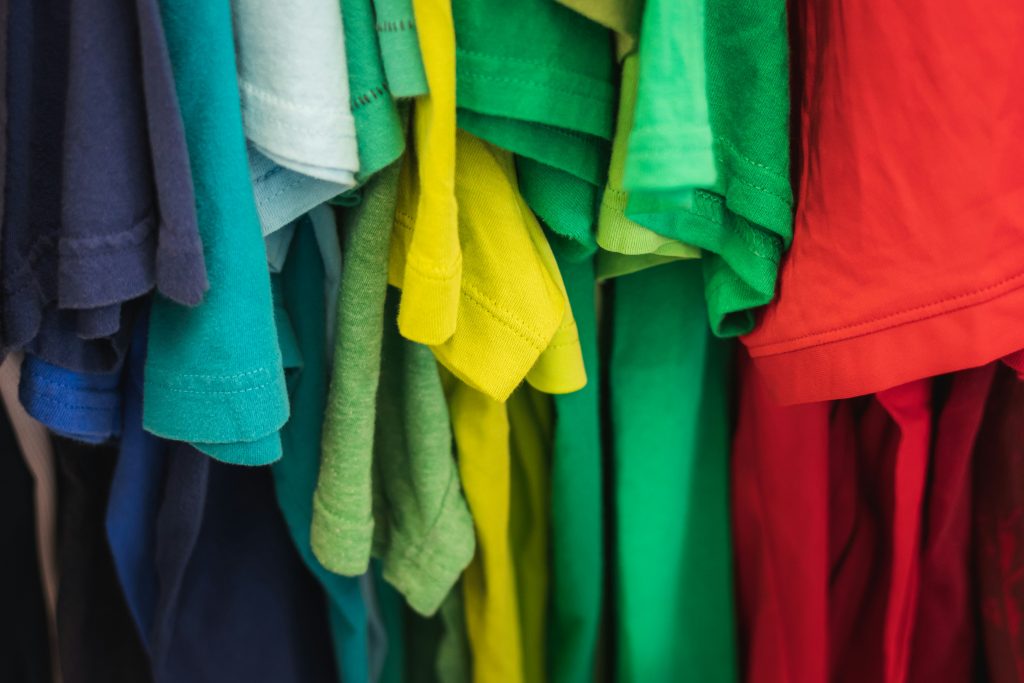
However, changes to the textile waste landscape require consumers to change their behavior. Instead of contributing to textile waste, people can choose recycling services and other disposal options that reduce waste and increase more sustainable clothing options. Here, we’ll take a deeper dive into textile waste and recycling textiles keeps them out of our landfills
What are Textiles?
First, let’s establish what counts as a “textile.” Textiles are items made from fabric, cloth, or other fibers. While most textile waste comes from excess inventory and discarded clothing like overstock and old uniforms, there are plenty of other items that fall under the textile umbrella. The following list includes some of the most common items that are made from textiles:
- Clothing and footwear
- Furniture and upholstery
- Carpets and rugs
- Bedding and linens
- Towels and washcloths
- Curtains and tapestries
- Tablecloths and cloth napkins
- Pre-consumer overstock
If you’re unsure of what’s considered a textile, most recycling providers will confirm if your items apply. Some recyclers also offer product destruction or junk removal services, which can help when you’ve got items that aren’t textiles.
Why Should Textiles Be Recycled?
As we mentioned earlier, apparel and other fabric items greatly contribute to the waste (and pollution) in our landfills. This is due to the rate that the material breaks down, and what chemicals are released in the process. Unfortunately, both natural and synthetic fibers release chemicals as they break down.
Natural fibers, which come from animals, vegetables, or mineral sources, often break down faster. These include cotton, wool, and silk. Synthetic fibers, on the other hand, are developed through a chemical process that also extends its lifecycle. Popular synthetics include polyester, nylon, and spandex and often leave behind microplastics that pollute the water supply.
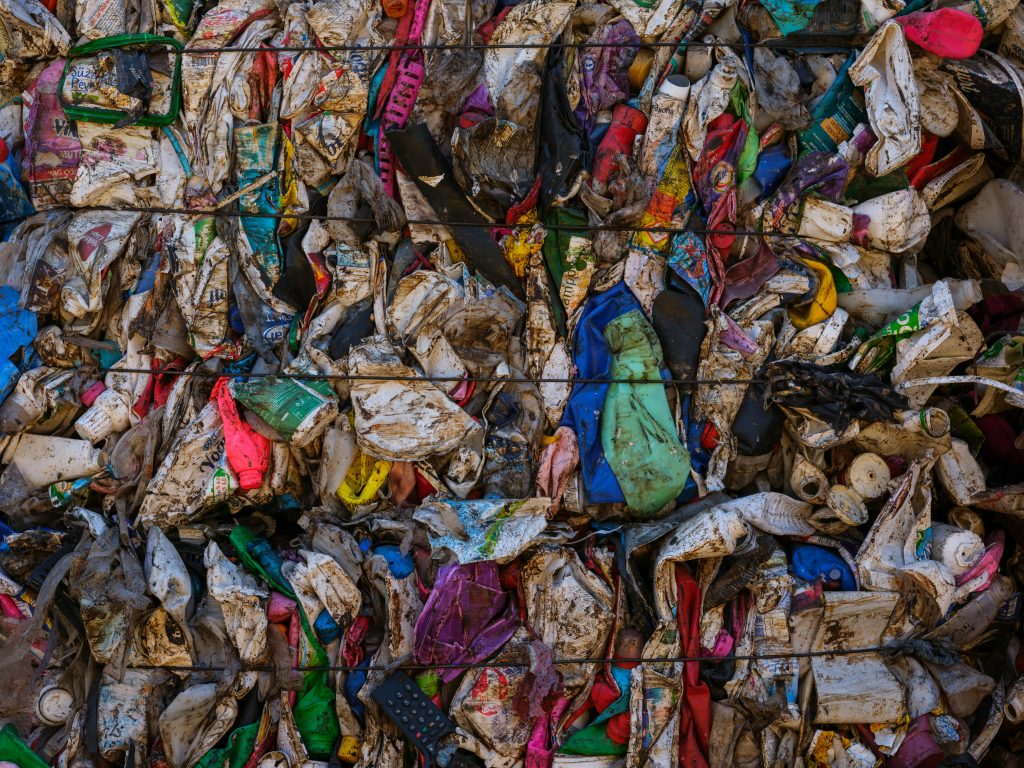
Given that natural and synthetic fibers can both have negative effects on the environment, it’s helpful to find other ways to dispose of apparel and other textiles.
Textile Waste Solutions
If you’re curious about landfill alternatives for old clothing and the like, you’re in luck. Consumers have a number of options for reducing textile waste. Here are some solutions that can help you keep textiles out of the landfills.
Donation and Resale
Donating clothes to thrift stores or selling them online are popular alternatives to the landfill. If you do this, make sure the items are still in wearable condition. Other textiles, like sheets, bedding, rugs, and towels, can also be donated to animal shelters and other community organizations in addition to thrift stores. Donating or selling textiles extends the lifecycle of your items, which helps to reduce manufacturing demands.
Repurpose
With a little creativity, you can find many ways to repurpose used textiles. Old t-shirts can be made into quilts, rugs, or tote bags, and teddy bear stuffing can be used to fill pillows. Old sheets can be used for some great costumes, and worn-down blankets can make a great fort. Crafty businesses are even popping up to repurpose textiles into new products. Give it some thought and see what ideas you come up with.
Shop Smarter
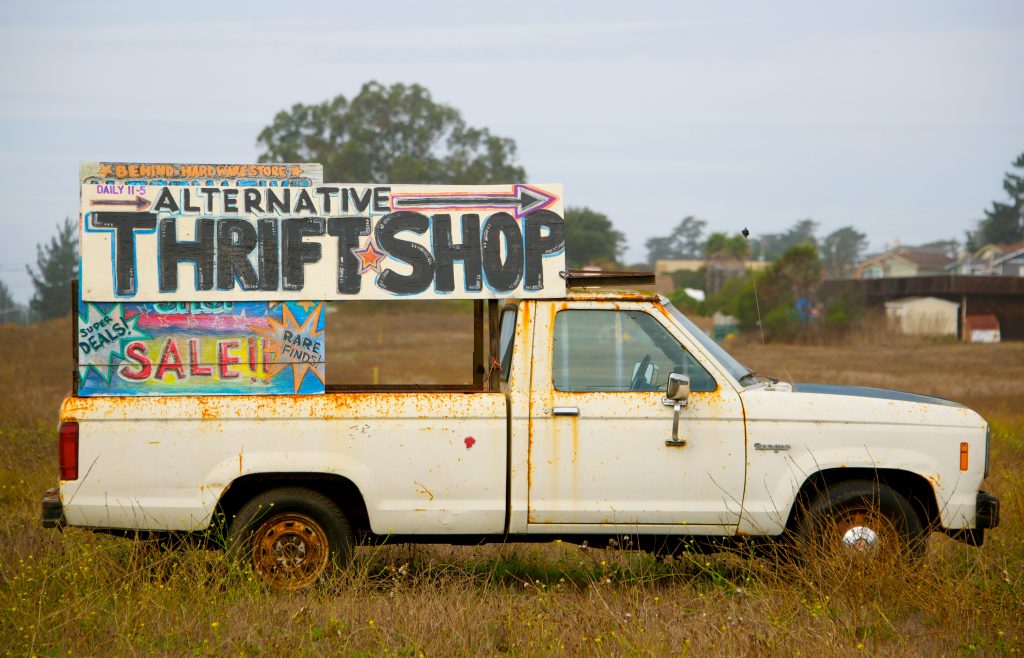
When choosing which clothing items to purchase, avoiding fast fashion goes a long way toward sustainability. Organic and sustainable fashion brands use methods that reduce waste and pollution, while also offering longer-lasting materials. Look for clothing made from organically grown fibers and manufactured in carbon-neutral factories, powered by renewable energy. Purchasing used, recycled, or upcycled clothing is also a responsible choice. These days, many people enjoy the unique variety of apparel that can only be found at thrift stores.
Recycle
When textiles are recycled, the fibers, yarn, and fabrics are recovered and reprocessed into new products. Most commonly, textiles are broken down by mechanical processing to bring the textile back to its original form. The fibers can then be dyed and spun into yarn so it can be used for new clothing and products.
Recycled fibers can also be made into a polyfill alternative. Polyfill is often used in the stuffing for pillows, wadding for quilts and jackets, wall and ceiling insulation, foam alternatives, acoustic paneling, and even rubber paneling from old shoes. By breaking down textiles into their original fibers and repurposing them, manufacturers can avoid creating more new polyfill.
The Textile Recycling Process
If you opt to recycle your old clothes, fabrics, and other textiles, it’s likely your community has a textile recycling program to make the process easy. While some programs have dedicated textile recycling centers, others rely on local groups and associations to support the collection, sorting, processing, and reuse of the recycled materials. Large apparel brands often have free take-back programs as well. Some companies also offer convenient mail-in services, like Ship ‘N’ Shred.
Once you find a textile recycling provider, they’ll put your apparel, fabrics, and other materials through a step-by-step process:
- Collection: Textiles are collected from donation bins, clothing drives, or textile recycling programs.
- Sorting: Textiles are gone through and sorted by color and material.
- Processing: Textiles are shredded into fibers, cleaned, and realigned in what’s called a carding process. This process separates individual fibers and twists them parallel to each other to produce a web for further processing.
- Reuse: Natural fibers are harder to recycle and often aren’t spun back into yarn. These natural fibers may be used for carpeting, stuffing, or other items. Synthetic fibers may be dyed and re-spun into yarn for new clothes.
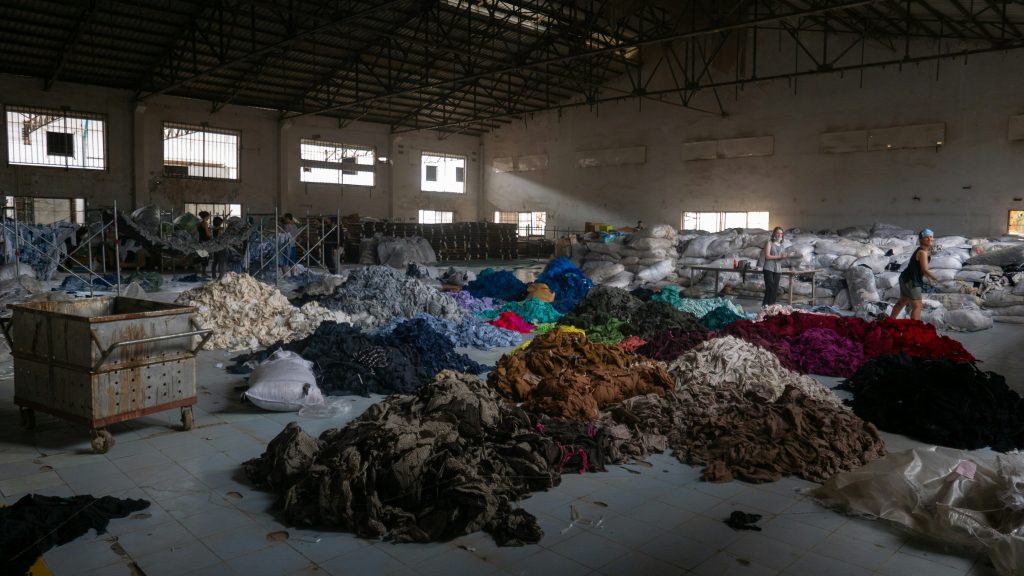
For the most part, textile recycling is circular. This means the materials can be used again and again. Regularly recycling your old clothing and other materials can have a huge impact on the textile industry moving forward. Plus, recycling in general benefits the sustainability of our natural resources and the health of our planet.
Recycle Your Textiles with Shred Nations
Do you have textiles to recycle? Whether it’s old clothing and shoes, apparel overstock, yards of unused fabric, or other types of textiles, Shred Nations can help. From Portland to Brooklyn, we’ve got a nationwide network of recycling providers that can handle your textiles. Our product destruction services cover apparel, footwear, household items, and more.
If you’re in the market for secure document destruction, we’ve got you covered there as well. From on-site mobile shredding and off-site destruction to convenient drop-off locations, one-time purges, and scheduled recurring service, we make disposal easy and convenient.
If you’re ready to get started, give us a call at (800) 747-3365 or fill out the form. You’ll receive free, no-obligation quotes on textile recycling services near you.